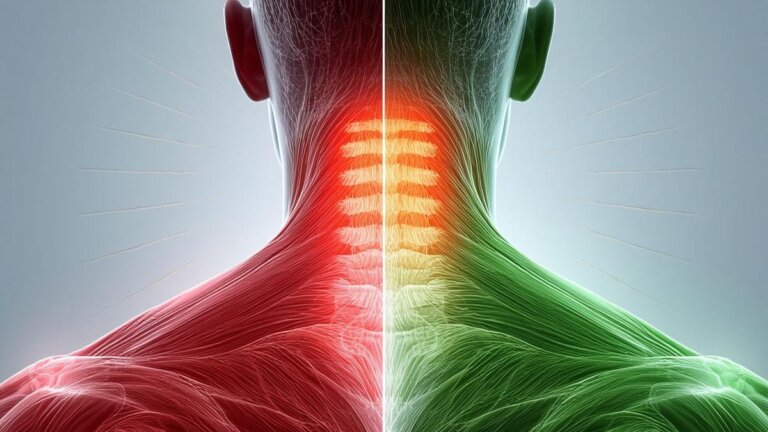

Red Light Therapy Benefits
Red Light Therapy (RLT), also known as photobiomodulation (PBM), has moved far beyond spa hype and celebrity wellness routines. The red light therapy benefits are now backed by Cleveland Clinic, Stanford, and hundreds of peer-reviewed clinical trials. Major institutions confirm measurable results in skin rejuvenation, pain relief, inflammation reduction, collagen production, and tissue repair. The benefits of red light therapy are well-documented across dermatology, sports medicine, wound healing, and chronic pain management — making it a science-supported wellness tool with minimal red light therapy dangers when used correctly.
But here’s the problem: most medical articles stop at “it works.” They don’t tell you how to use it, what wavelength to choose, or how long to stand in front of the panel. They certainly don’t explain why your $50 device might deliver completely different results than your friend’s $500 system.
This guide bridges the gap between clinical consensus and your living room. We break down the red light therapy benefits, the specific protocols, and the critical dosing math you need to get results safely—without the guesswork that keeps most people from seeing real improvements.
Table of Contents
How Red Light Therapy Works: The 30-Second Science
Understanding red light therapy benefits starts with knowing what happens inside your cells. When specific wavelengths of light penetrate your skin, they’re absorbed by an enzyme called cytochrome c oxidase in your mitochondria—the powerhouses of your cells. This absorption triggers increased production of adenosine triphosphate (ATP), which is essentially cellular energy currency.
Think of it like photosynthesis for humans. Your cells absorb light energy to repair and regenerate faster. Unlike ultraviolet light (which damages DNA), red and near-infrared wavelengths stimulate healing without harmful side effects. This process reduces oxidative stress, decreases inflammation, and accelerates tissue repair at the molecular level.
The key is that your body is already designed to respond to these wavelengths—we’ve just spent most of human history getting them naturally from sunlight.
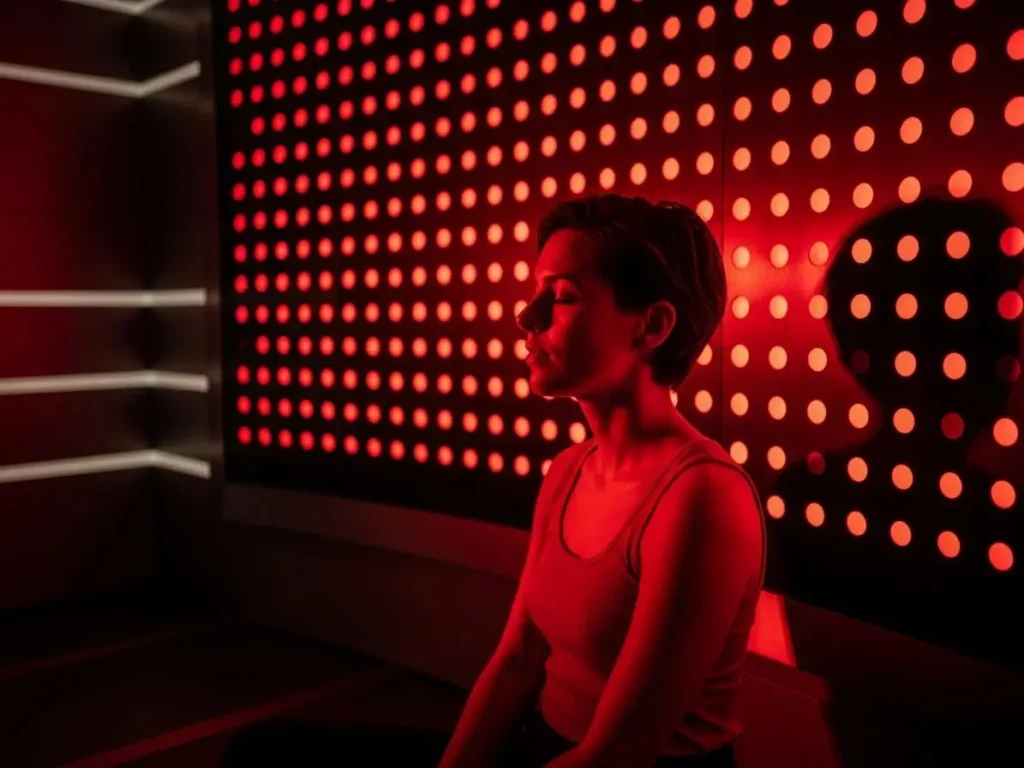
Top 7 Proven Red Light Therapy Benefits in 2025 (Ranked by Strength of Evidence)
Based on current clinical literature, here’s what RLT is proven to treat:
1. Skin Rejuvenation – The most popular of all red light therapy benefits
Stimulates collagen and elastin production, reducing fine lines, wrinkles, and improving overall skin texture. Studies show measurable improvements in skin tone and firmness after 8-12 weeks of consistent use.
2. Acne & Wound Healing
Reduces inflammation and bacterial load while speeding up tissue repair. Red light decreases sebum production and helps fade post-acne scarring.
3. Muscle Recovery & Performance
Significantly reduces Delayed Onset Muscle Soreness (DOMS) when used before or after workouts. Athletes report faster recovery times and improved endurance.
4. Joint Pain & Arthritis
Lowers inflammation in deep tissue, providing relief for chronic conditions affecting knees, shoulders, and back. Near-infrared penetration reaches joint spaces where topical treatments cannot.
5. Hair Growth
Stimulates follicles in cases of androgenetic alopecia (pattern hair loss). Research shows increased hair density and thickness with consistent scalp treatment.
6. Sleep Optimization
Regulates circadian rhythm when used correctly—morning exposure supports wakefulness, while avoiding blue light at night enhances melatonin production.
7. Cognitive Function (Emerging)
Early research into transcranial photobiomodulation suggests potential benefits for brain health, memory, and mental clarity, though more studies are needed.
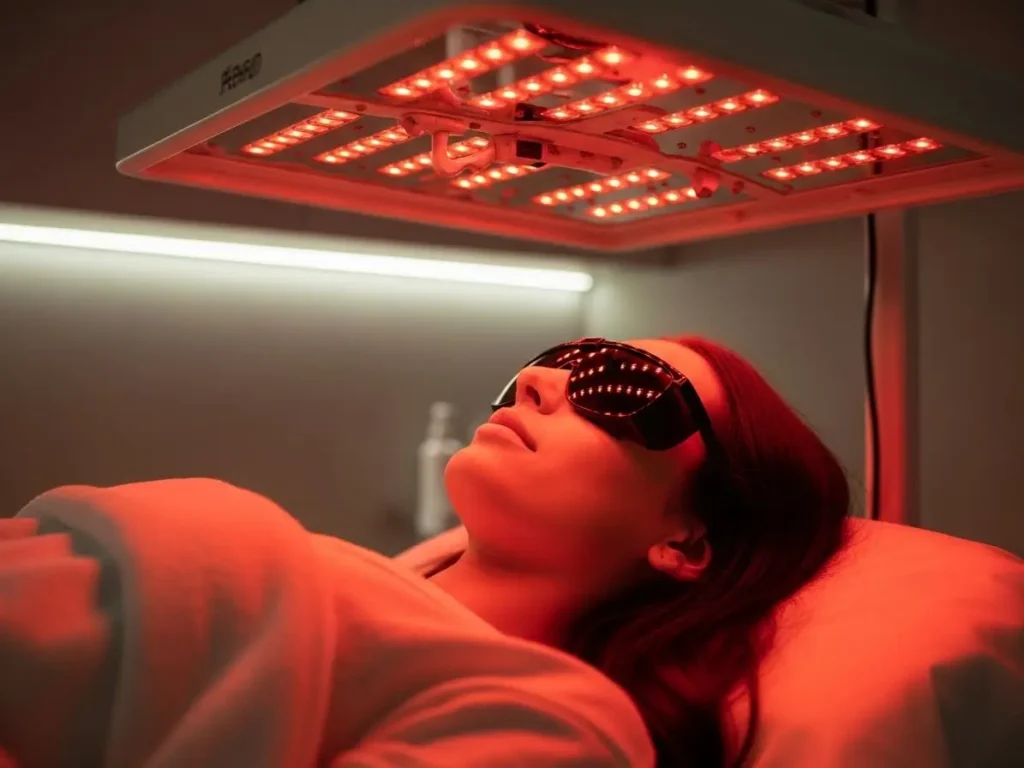
The “Missing Manual”: Protocols & Dosing Guide
This is the section the medical giants lack—and it’s your key to actual results. Understanding red light therapy benefits isn’t enough; you need to know the exact protocols.
The Goldilocks Zone: Understanding Biphasic Dose Response
More is not better with red light therapy. Too little exposure won’t trigger cellular changes. Too much can actually inhibit the beneficial effects—a phenomenon called the biphasic dose response. You’re looking for the sweet spot where cellular signaling is optimized.
Recommended Protocols by Condition
ConditionWavelengthSession DurationFrequencyDistance from DeviceAnti-Aging/Skin660nm (Red)10-15 minutes3-5x per week6-12 inchesAcne Treatment660nm (Red)10 minutesDaily6-12 inchesMuscle Recovery850nm (NIR)15-20 minutesAfter workouts3-6 inchesDeep Joint Pain850nm (NIR)15-20 minutesDaily3-6 inchesHair Growth660nm (Red)10-15 minutes3x per weekDirect contactWound Healing660nm (Red)10 minutesDaily until healed6 inchesSleep Support660nm (Red)10 minutesMorning only12-24 inches
Pro Tip: Consistency beats intensity. A 10-minute session five times per week will outperform a 30-minute session once weekly. Exact Protocols to Unlock Red Light Therapy Benefits (Condition-by-Condition)
Wavelengths Explained: 660nm vs. 850nm
Choosing the right wavelength is the difference between mediocre and life-changing red light therapy benefits.
Red Light (600nm – 700nm)
Best for: Surface skin, collagen production, acne, wound healing, hair growth
Red light is visible, appearing as a bright crimson glow. It penetrates approximately 8-10 millimeters into tissue, making it ideal for dermatological applications. If you want better skin, you don’t need near-infrared heat—stick with the 660nm range.
Actionable Tip: For anti-aging benefits, focus on facial panels or masks that deliver pure red light directly to skin.
Near-Infrared Light (800nm – 900nm)
Best for: Deep tissue, muscles, joints, bones, organs
Near-infrared (NIR) light is invisible to the human eye. If half your panel looks “broken” or appears dim, it’s likely just the NIR LEDs working correctly. This wavelength penetrates up to 2 inches deep, reaching muscles, tendons, and even bone tissue.
Important Note: Most full-body panels combine both wavelengths (typically 660nm and 850nm) to provide comprehensive benefits for surface and deep tissue simultaneously.
How to Choose a Device: Don’t Get Scammed
The red light therapy market is flooded with devices making outrageous claims. Here’s what actually matters:
Irradiance Reality Check
Irradiance (measured in mW/cm²) tells you how much light energy reaches your skin. Many cheap devices advertise high wattage but deliver low irradiance due to poor LED quality or improper lens angles.
Look for: Devices delivering 40-100 mW/cm² at 6 inches. Anything claiming 200+ mW/cm² at that distance is likely misleading.
The “Solar Power” Myth Debunked
You don’t need medical-grade laser equipment for home results. Quality LED panels provide sufficient power density for therapeutic effects at a fraction of the cost and with better safety profiles.
Flicker & EMF Considerations
Sensitive users (those prone to migraines or with sensory processing issues) should verify:
- Flicker-free operation: Cheap devices pulse at frequencies that can cause headaches
- Low EMF emissions: Look for devices with EMF readings under 5 mG at 6 inches
Panel vs. Mask vs. Wand: Quick Comparison
- Full-Body Panels: Best for overall wellness, multiple treatment areas, and cost-per-treatment efficiency
- LED Masks: Targeted facial treatment, hands-free convenience, travel-friendly
- Handheld Wands: Spot treatment, affordable entry point, but time-intensive for large areas
Safety, Side Effects, and Contraindications
When used correctly, red light therapy benefits far outweigh the minimal risks.
Eye Safety
Do you need goggles? It depends:
- For near-infrared: Optional but recommended for extended sessions
- For red light: Optional for comfort (it’s bright)
- For lasers: Mandatory—medical-grade lasers require proper eye protection
Most home devices are safe for incidental eye exposure, but avoid staring directly at LEDs.
Photosensitizing Medications
Certain medications increase light sensitivity:
- Isotretinoin (Accutane)
- Some antibiotics (tetracyclines, fluoroquinolones)
- St. John’s Wort
- Some chemotherapy drugs
Consult your physician if you’re on any medications that list “photosensitivity” as a side effect.
Temporary Detox Symptoms
Some users report mild fatigue, headaches, or temporary skin redness when starting therapy. These typically resolve within a week as your body adjusts to increased cellular activity.
Who Should Avoid RLT?
- Pregnancy (insufficient safety data)
- Active cancer (without oncologist approval)
- Epilepsy (light sensitivity concerns)
- Thyroid conditions (avoid direct thyroid exposure)
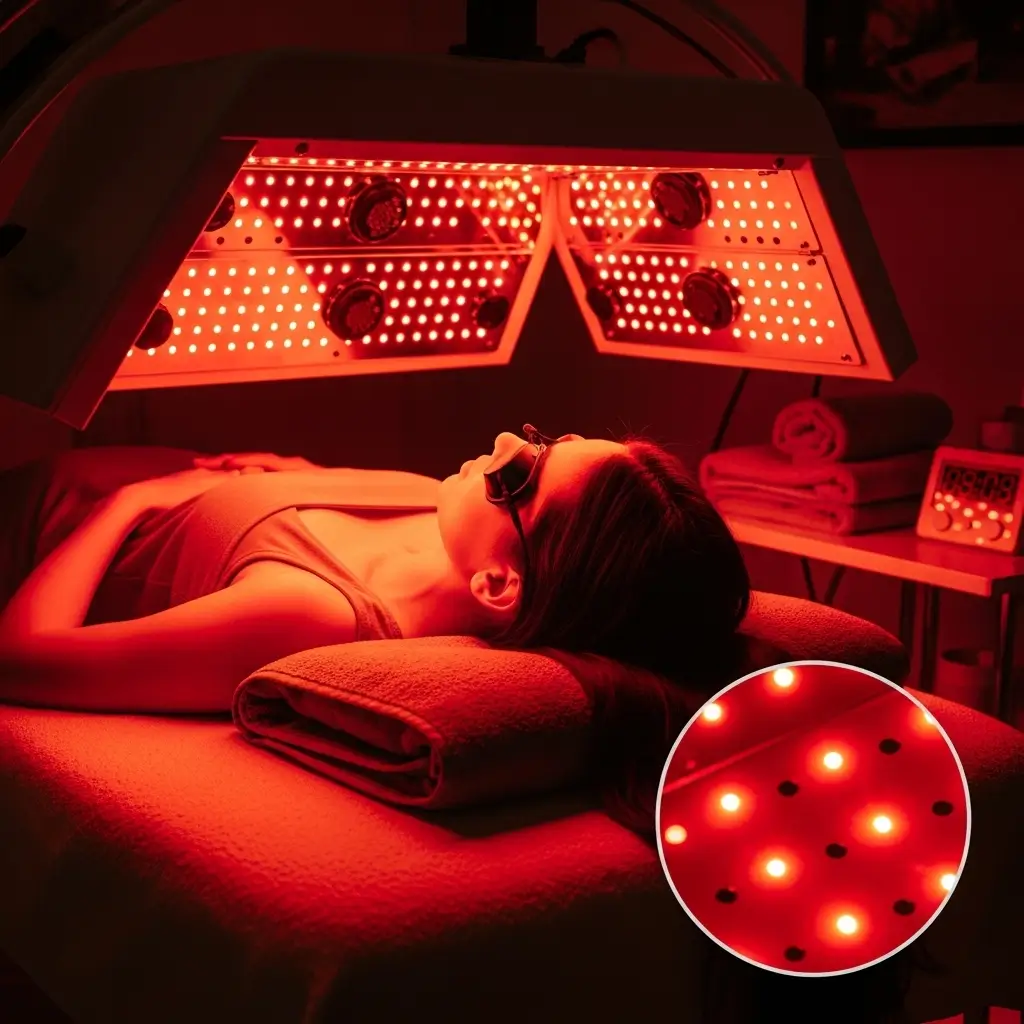
Frequently Asked Questions
Q: Can I use red light therapy every day?
A: Yes, daily use is safe for most protocols. However, taking one rest day per week allows cells to complete repair cycles without constant stimulation. Listen to your body—if you feel fatigued, add rest days.
Q: Does red light therapy work through clothes?
A: No. Light reflects off fabric barriers. For maximum benefits of red light therapy, direct skin contact is essential. Wear minimal clothing or treat exposed skin only.
Q: How long does it take to see red light therapy benefits?
A: Timeline varies by condition:
- Pain relief: Often immediate or within 3-7 days
- Skin improvements: 4-8 weeks for visible collagen changes
- Hair growth: 12-16 weeks minimum
- Athletic performance: 1-2 weeks of consistent pre/post-workout use
Q: Can red light therapy replace medical treatment?
A: No. While RLT offers significant benefits, it should complement—not replace—conventional medical care for serious conditions. Always consult healthcare providers for proper diagnosis and treatment plans.
Q: What’s the difference between red light therapy and infrared saunas?
A: Infrared saunas primarily use far-infrared wavelengths (3,000-10,000nm) to generate heat for sweating and cardiovascular effects. Red light therapy uses specific wavelengths (660nm and 850nm) for photobiomodulation without significant heat. They offer different benefits and mechanisms.
Conclusion: Consistency Is Your Competitive Advantage
Red light therapy is a safe, scientifically backed tool with applications ranging from aesthetic improvements to pain management and athletic performance. However, red light therapy benefits only materialize with two critical factors: correct dosing and consistent application.
The difference between people who rave about RLT and those who see no results usually comes down to protocol adherence. Use the dosing table in this guide as your starting point, track your sessions, and give your body the 4-8 weeks needed to respond at the cellular level.
Remember: your mitochondria are listening. Give them the right wavelengths, at the right distance, for the right duration—and they’ll reward you with measurable improvements in how you look, feel, and perform.
Ready to get started? Not sure which device fits your needs and budget? Check out our comprehensive comparison of the top FDA-cleared panels, featuring real irradiance testing and unbiased reviews from users treating conditions just like yours. Start tonight and let your cells experience the full red light therapy benefits.