

Youth Mental Health First Aid: Essential Skills to Save Lives
When 16-year-old Marcus began withdrawing from friends and family, his basketball coach noticed something wasn’t right. The normally outgoing teen was missing practice, his grades were slipping, and the dark circles under his eyes suggested he wasn’t sleeping. Rather than dismissing these changes as typical teenage behavior, his coach approached him with genuine concern, using skills learned through youth mental health first aid training.
This intervention may have saved Marcus’s life.
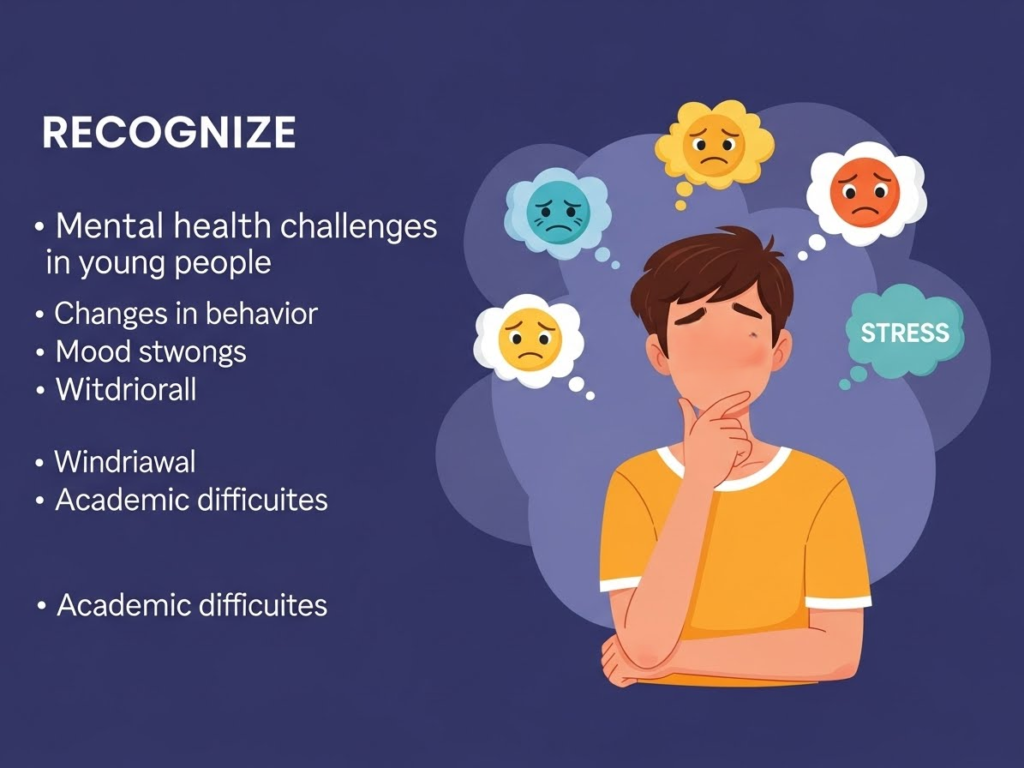
Mental health challenges affect nearly one in five adolescents today, yet many adults feel unprepared to recognize warning signs or offer appropriate support. Youth mental health first aid equips parents, teachers, coaches, and community members with practical tools to identify, understand, and respond to young people experiencing mental health or substance use challenges.
Table of Contents
What Is Youth Mental Health First Aid?
Youth mental health first aid is an evidence-based training program designed specifically for adults who regularly interact with adolescents. Similar to traditional first aid for physical injuries, mental health first aid teaches participants to provide initial support until appropriate professional help can be engaged or until the crisis resolves.
The training emphasizes a practical five-step action plan:
- Assess for risk of harm or crisis
- Listen non-judgmentally
- Give reassurance and information
- Encourage appropriate professional help
- Encourage self-help and other support strategies
Unlike clinical interventions, youth mental health first aid doesn’t prepare participants to diagnose conditions or provide therapy. Instead, it builds confidence in having difficult conversations, recognizing warning signs, and guiding young people toward appropriate resources.
Why Youth Mental Health Training Is Critical Today
The statistics surrounding adolescent mental health are sobering:
- Suicide is the second leading cause of death among people aged 10-2450% of all lifetime mental health conditions begin by age 14Only about 20% of children with mental health issues receive appropriate care
- The average delay between onset of symptoms and intervention is 8-10 years
These numbers have worsened following the COVID-19 pandemic, with increased rates of depression, anxiety, and suicidal ideation among young people. Surgeon General Vivek Murthy has declared youth mental health a national emergency, calling for comprehensive solutions that include community-based support systems.
Dr. Jessica Martinez, child psychiatrist at Stanford Children’s Hospital, explains: “Early intervention can dramatically improve outcomes for young people experiencing mental health challenges. Programs like youth mental health first aid create a safety net of informed adults who can identify warning signs and connect teens to appropriate resources before crises escalate.”
Core Components of Youth Mental Health First Aid
Comprehensive youth mental health first aid training typically covers several key areas:
Understanding Adolescent Development
Participants learn to distinguish between typical adolescent behavior and potential warning signs of mental health challenges. The teenage brain undergoes significant development, affecting decision-making, emotional regulation, and risk assessment. This biological context helps adults respond appropriately to adolescent behavior without judgment or overreaction.
Recognizing Common Mental Health Challenges
The training provides an overview of conditions that often emerge during adolescence, including:
- Depression and mood disordersAnxiety disordersTrauma and stress-related disordersEating disordersSubstance use disordersAttention-deficit/hyperactivity disorderPsychosis and psychotic disorders
- Self-harm and suicidal behaviors
Crisis Intervention Skills
Participants practice evidence-based approaches for supporting young people during mental health crises. This includes strategies for engaging with adolescents experiencing panic attacks, suicidal thoughts, self-harm behaviors, or substance-related emergencies.
Cultural Considerations in Youth Mental Health
Effective adolescent mental health support acknowledges how cultural factors influence how mental health is perceived, expressed, and addressed. Training addresses cultural competence and the importance of respecting diverse perspectives when supporting young people.
Recent research from the National Institute of Mental Health highlights how cultural factors significantly impact how young people express mental health symptoms and their willingness to seek help.
Who Benefits from Youth Mental Health First Aid?
Youth mental health first aid training is valuable for virtually anyone who interacts regularly with adolescents:
- School personnel: Teachers, administrators, counselors, coaches, and support staffFamily members: Parents, grandparents, and other caregiversCommunity leaders: Youth group leaders, religious leaders, and mentorsHealthcare workers: Pediatricians, nurses, and other healthcare providersFirst responders: Police officers, EMTs, and firefighters
- Social service providers: Case workers, shelter staff, and juvenile justice personnel
The benefits extend beyond individual interactions. Communities with widespread youth mental health first aid training create more supportive environments where young people feel understood and valued.
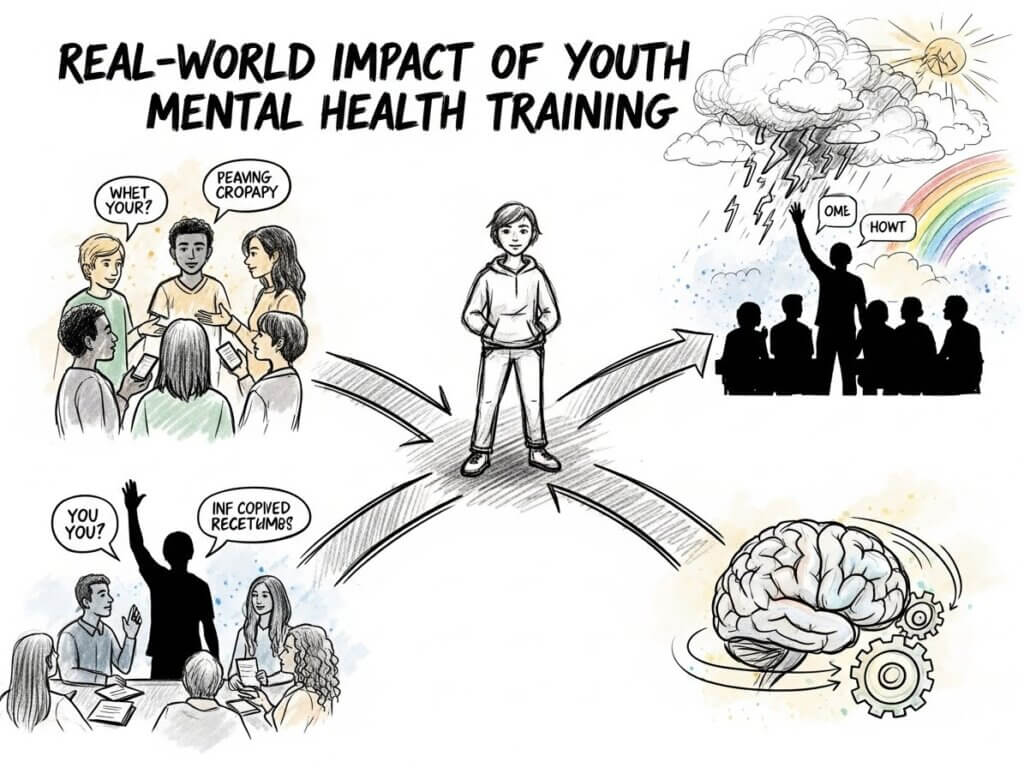
Real-World Impact of Youth Mental Health Training
Research consistently demonstrates the effectiveness of youth mental health first aid. A 2022 study published in the Journal of Psychiatric Research found that participants showed significant improvements in:
- Knowledge about youth mental health conditionsConfidence in providing appropriate supportAbility to identify warning signs and risk factorsReduced stigmatizing attitudes toward mental health challenges
- Increased likelihood of referring young people to appropriate resources
More importantly, these benefits translate to real-world outcomes for adolescents. Communities that implement widespread youth mental health first aid training report earlier intervention for struggling teens, increased utilization of mental health services, and reduced emergency department visits for mental health crises.
Sarah Johnson, a high school counselor in Portland, shares: “Before our district implemented youth mental health first aid training for all staff, students in crisis were primarily identified through disciplinary issues or academic failure. Now, our teachers recognize subtle warning signs and can have supportive conversations that connect students to help before situations escalate.”
Implementing Youth Mental Health First Aid in Communities
Bringing youth mental health first aid to a community typically involves several steps:
1. Identifying certified trainers
Organizations like the National Council for Mental Wellbeing certify instructors who can deliver the standardized curriculum. Many communities partner with local mental health agencies, healthcare systems, or educational institutions that already have certified trainers on staff.
2. Securing funding and resources
While costs vary, training typically requires financial resources for instructor fees, materials, and participant time. Many communities leverage grants, school district professional development funds, or public health allocations to support implementation.
3. Scheduling accessible training opportunities
Standard youth mental health first aid training requires 6-8 hours, though some programs offer flexible formats including virtual options. Successful implementation requires scheduling that accommodates diverse community members.
4. Building sustainable support systems
The most effective programs embed youth mental health first aid within broader systems of adolescent mental health support. This includes clear referral pathways, ongoing education, and coordination between schools, mental health providers, and community resources.
Many communities have found success by integrating youth mental health first aid with school-based mental health initiatives, creating a comprehensive approach to supporting adolescent wellbeing.
Beyond Training: Creating Supportive Environments for Youth Mental Health
While youth mental health first aid provides essential skills, lasting impact requires broader environmental changes. Communities seeing the greatest benefits combine training with:
- Reduced stigma campaigns that normalize conversations about mental healthPeer support programs that empower young people to support each otherSchool climate initiatives that promote belonging and psychological safetyImproved access to mental health services through school-based clinics or telehealth options
- Parent education programs that build family resilience and communication skills
These complementary approaches create environments where young people feel comfortable seeking help and where multiple layers of support are available.
Getting Started with Youth Mental Health First Aid
If you’re interested in bringing youth mental health first aid to your community or becoming trained yourself, several resources can help:
- The Mental Health First Aid USA website provides information on finding local training opportunitiesMany state departments of education or public health offer funding or coordination for youth mental health first aid initiativesCommunity mental health centers often have certified trainers who can provide training for groups
- School districts may incorporate training into professional development calendars
Remember that even without formal training, every adult can contribute to adolescent mental wellbeing by practicing non-judgmental listening, expressing genuine care, and normalizing conversations about mental health.
A Community Responsibility
Supporting adolescent mental health isn’t solely the responsibility of mental health professionals. It requires a community of informed, compassionate adults ready to notice struggling young people and respond with confidence.
Youth mental health first aid training transforms concerned adults into a frontline support system capable of bridging the critical gap between noticing a problem and connecting teens with appropriate care. In a world where adolescent mental health challenges continue to rise, these skills aren’t just valuable—they’re essential.
By investing in youth mental health training, we create communities where young people like Marcus don’t have to suffer in silence, where warning signs prompt supportive conversations rather than punishment or dismissal, and where every adolescent knows they are surrounded by adults equipped to help during their most vulnerable moments.