Can Anxiety Cause Chest Pain? The Worrisome Truth Explained!
Have you ever felt a tightness in your chest during a stressful meeting or found yourself struggling to breathe before an important presentation? That uncomfortable sensation “sometimes sharp, sometimes dull, often frightening” might have left you wondering: is this anxiety, or is something more serious happening?
Chest pain can be alarming, and rightfully so. But for millions of people worldwide, these physical symptoms are manifestations of something invisible: anxiety. The connection between our mental health and physical sensations is powerful, sometimes producing symptoms so convincing they send people rushing to emergency rooms, convinced they’re experiencing heart attacks.
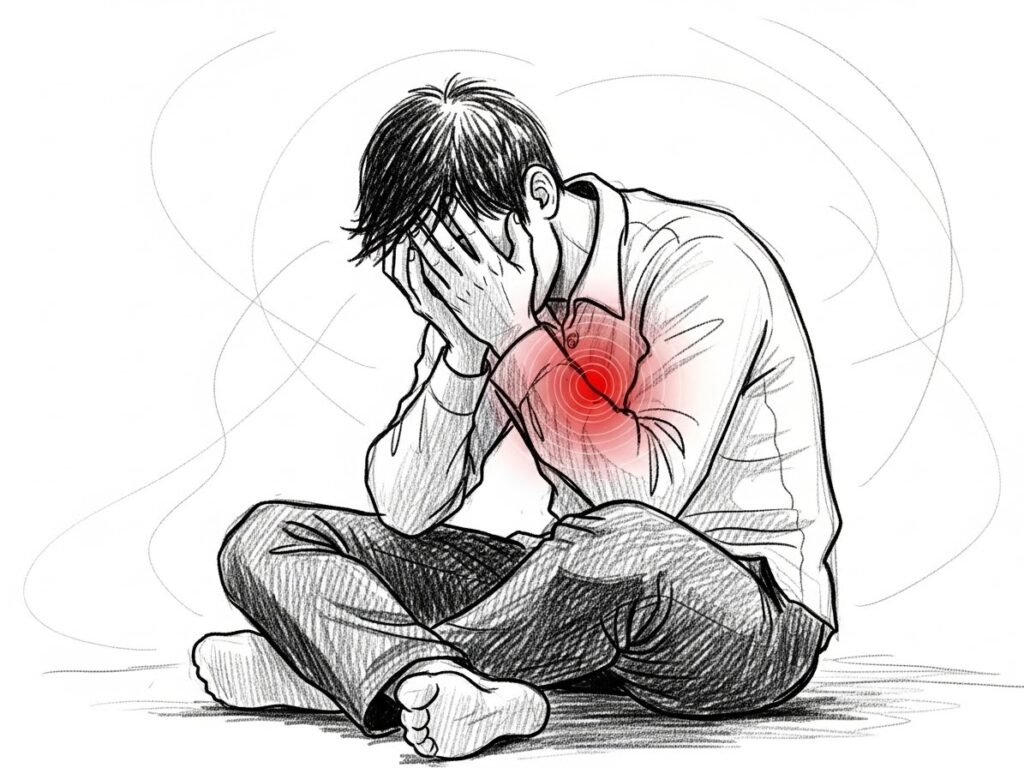
The Physical Reality of Psychological Stress
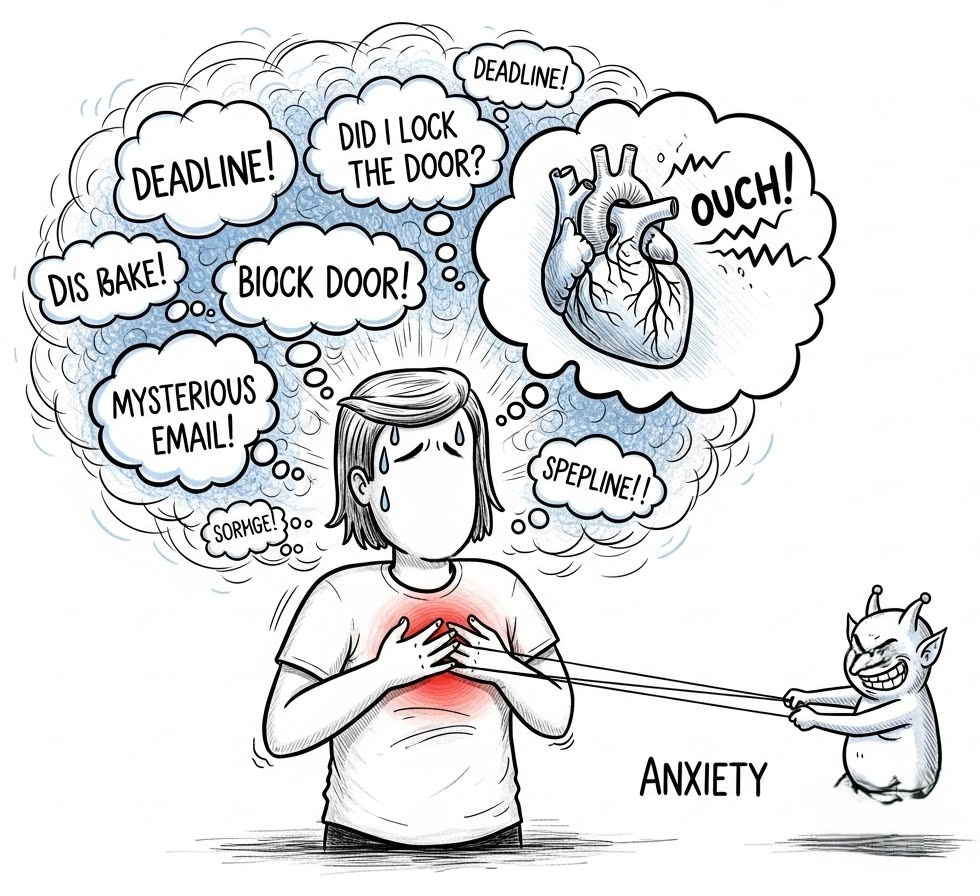
Anxiety isn’t “just in your head.” When anxiety strikes, your body responds with very real physical changes. This mind-body connection explains why anxiety chest tightness and chest pain from stress are common complaints among those who experience anxiety disorders.
Dr. Sarah Johnson, a cardiologist at Mayo Clinic, explains: “The body doesn’t always distinguish between physical and psychological threats. To your body, the stress of a work deadline can trigger the same physiological response as being chased by a predator.”
This response often called “fight or flight” prepares your body for danger by:
– Increasing heart rate
– Elevating blood pressure
– Tensing muscles
– Accelerating breathing
– Releasing stress hormones like cortisol and adrenaline
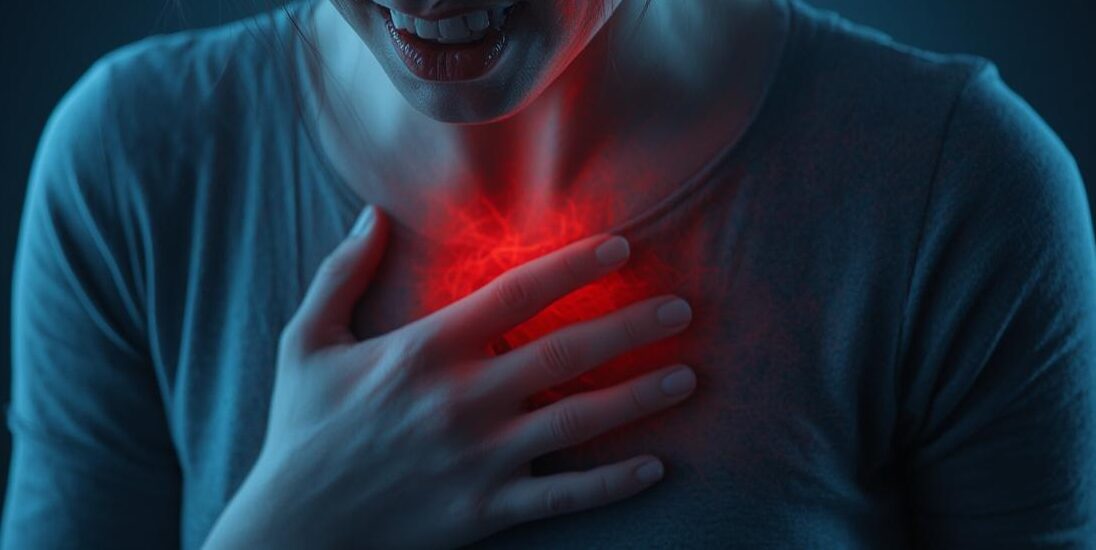
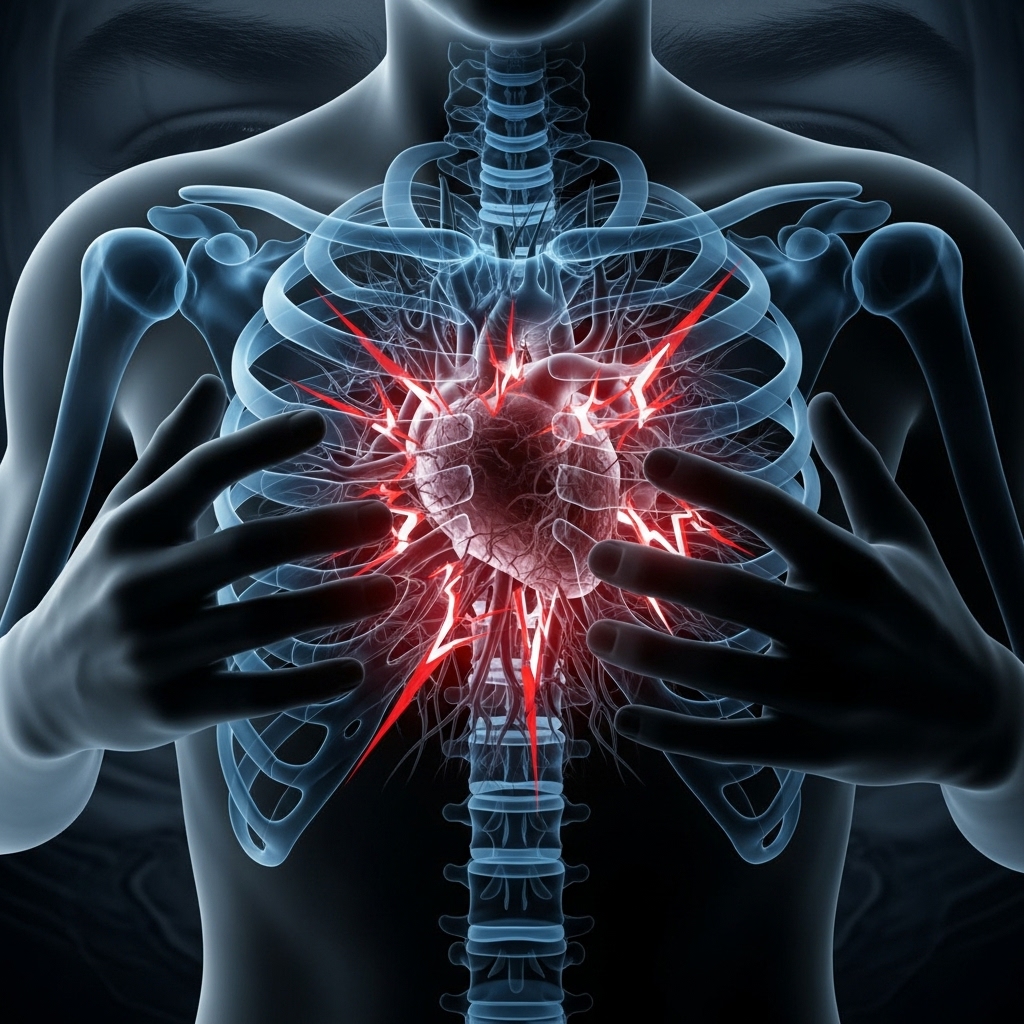
When these changes happen in your chest area, the result can be pain, pressure, or discomfort that feels alarmingly similar to cardiac issues.
How Anxiety Creates Chest Pain
Recognizing Anxiety Chest Tightness and Pain
Anxiety-related chest pain can take many forms, but often has these characteristics:
– Location: Usually centered in the chest, sometimes radiating to the neck, shoulders, or arms
– Sensation: Can feel sharp, stabbing, dull, burning, or like pressure
– Duration: Typically lasts 5-20 minutes, corresponding with anxiety levels
– Triggers: Often occurs during or after periods of stress, worry, or panic
– Associated symptoms: May come with shortness of breath, rapid heartbeat, sweating, or dizziness
The mechanisms behind this pain are multifaceted:
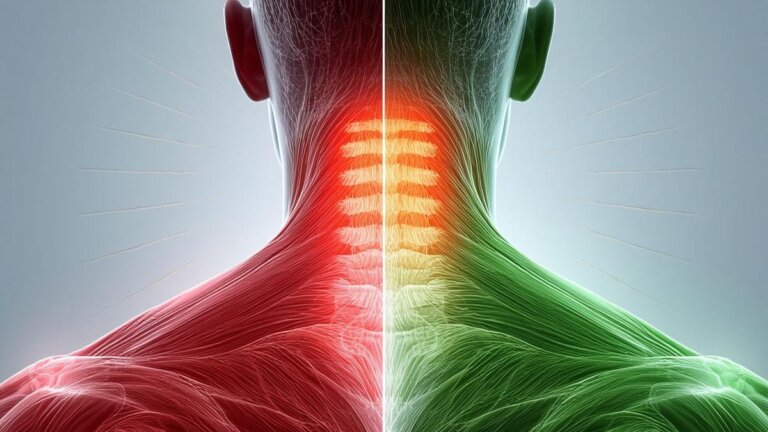
1. Muscle tension: Anxiety causes muscles to contract, including those in your chest wall and between ribs. This sustained tension can cause soreness and pain.
2. Hyperventilation: When anxious, many people breathe rapidly and shallowly, taking in too much oxygen and expelling too much carbon dioxide. This respiratory change can cause chest tightness, tingling, and pain.
3. Esophageal issues: Anxiety can trigger acid reflux or esophageal spasms that mimic chest pain.
4. Increased heart sensitivity: During anxiety, you may become hyperaware of normal heart sensations that you’d otherwise ignore.
According to a [study in the American Journal of Cardiology], up to 40% of patients who present to emergency departments with chest pain have symptoms primarily driven by anxiety rather than cardiac issues.
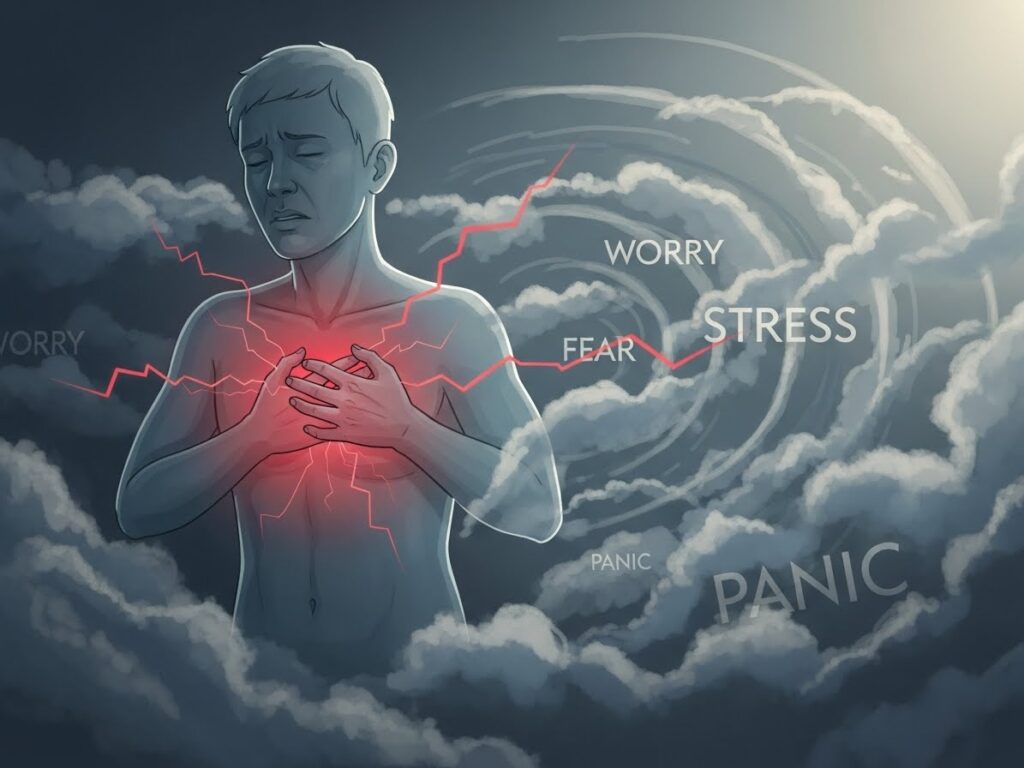
Anxiety Chest Pain vs. Heart Attack: Critical Differences
While anxiety can create convincing chest pain, distinguishing it from a heart attack is crucial. Here’s how they typically differ:
Heart Attack Symptoms
– Pain characteristics: Often described as crushing, squeezing pressure; may radiate down left arm
– Duration: Usually persistent and doesn’t subside with relaxation techniques
– Associated symptoms: Commonly includes nausea, cold sweats, lightheadedness, jaw pain
– Risk factors: More likely in those with cardiac risk factors like hypertension, diabetes, smoking history
Anxiety-Related Chest Pain
– Pain characteristics: Often sharp, stabbing, or like muscle tightness
– Duration: Usually episodic, coinciding with anxiety episodes
– Associated symptoms: Often includes racing thoughts, feeling of doom, tingling in extremities
– Response to intervention: May improve with deep breathing or relaxation techniques
Dr. Robert Wilson, psychologist specializing in anxiety disorders, cautions: “When in doubt, always seek medical attention. Better to rule out serious causes than to assume chest pain is ‘just anxiety.'”
This advice is especially important for first-time chest pain experiences or for those with risk factors for heart disease. Once cardiac issues have been ruled out by a healthcare provider, understanding and managing anxiety-related symptoms becomes the priority.
Managing Chest Pain from Stress Naturally
For those whose chest pain stems from anxiety, several approaches can help:
1. Deep breathing exercises: Counteract hyperventilation by practicing diaphragmatic breathing—slow, deep breaths using your diaphragm rather than shallow chest breathing.
2. Progressive muscle relaxation: Systematically tense and release muscle groups throughout your body to reduce the physical tension associated with anxiety.
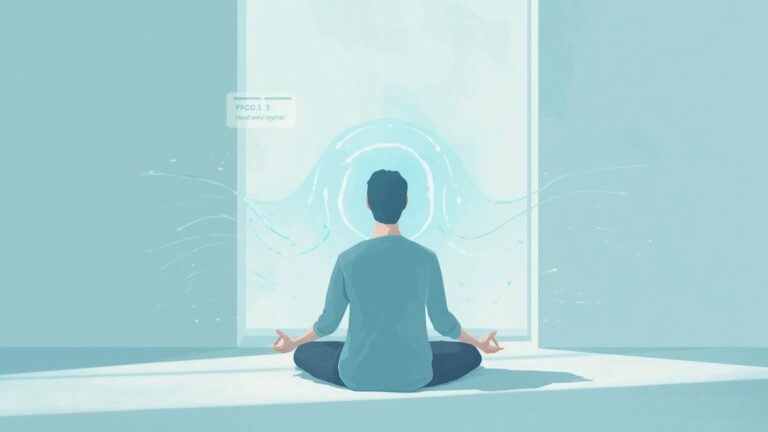
3. Mindfulness meditation: Regular meditation can help reduce overall anxiety levels and teach awareness of body sensations without catastrophizing them.
4. Regular physical activity: Exercise helps burn off stress hormones and releases endorphins, natural mood elevators. Even gentle activities like walking can be beneficial.
5. Avoid caffeine and alcohol: Both can trigger or worsen anxiety symptoms, including chest pain.
6. Maintain sleep hygiene: Poor sleep exacerbates anxiety; aim for 7-8 hours of quality sleep.
7. Try heat or cold: Applying a heating pad or ice pack to tense chest muscles can provide relief.
Research shows these natural approaches can be effective. A [systematic review in JAMA Internal Medicine](https://jamanetwork.com/journals/jamainternalmedicine/article-abstract/2517920) found mindfulness-based interventions significantly reduced anxiety symptoms compared to control groups.
When to Seek Professional Help
While managing anxiety-related chest pain at home is often possible, professional help is indicated when:
– Chest pain is severe or different from your typical anxiety symptoms
– You have risk factors for heart disease
– Pain is accompanied by shortness of breath, fainting, or nausea
– Anxiety symptoms significantly interfere with daily functioning
– Self-help strategies aren’t providing relief
Mental health professionals can offer several evidence-based treatments for anxiety disorders, including:
– Cognitive-behavioral therapy (CBT): Helps identify and change thought patterns that lead to anxiety
– Medication options: SSRIs, SNRIs, or benzodiazepines (for short-term use) can help manage anxiety
– Biofeedback: Teaches control over physiological functions like heart rate and muscle tension
For those dealing with anxiety-related symptoms, getting proper coding and documentation is important for insurance and treatment. Learn more about the challenges of ICD-10 anxiety coding to ensure your condition is properly documented.
Understanding the Long-Term Impact
Chronic anxiety doesn’t just cause temporary chest pain—it can have lasting effects on cardiovascular health. Research published in the Journal of the American Heart Association suggests persistent anxiety may increase risk for coronary heart disease over time.
This connection underscores the importance of addressing anxiety not just as a mental health concern but as part of overall physical wellness. Treating anxiety effectively may reduce not only immediate symptoms like chest pain but also long-term cardiovascular risks.
The Power of Knowledge
Understanding that chest pain can stem from anxiety often provides immediate relief for sufferers. As Dr. Martin Seligman, founder of positive psychology, notes: “Anxiety is not always pathological—it’s often a normal response to uncertainty. The problem comes when that response becomes disproportionate or persistent.”
For many, simply knowing that their chest pain has a non-life-threatening cause reduces the “anxiety about anxiety” that can create a vicious cycle of symptoms. This knowledge empowers individuals to implement effective coping strategies rather than catastrophizing physical sensations.
Conclusion
Anxiety chest tightness and chest pain from stress are real, physical manifestations of psychological processes—powerful reminders of the inseparable connection between mind and body. While these symptoms can be frightening, they’re rarely dangerous and can be managed effectively with proper understanding and techniques.
If you experience chest pain, getting proper medical evaluation is always the first step. Once cardiac causes have been ruled out, a multipronged approach addressing both physical symptoms and underlying anxiety often yields the best results.
Remember that anxiety, including its physical manifestations, responds well to treatment. With appropriate care and self-management strategies, most people can significantly reduce both anxiety and its uncomfortable physical symptoms like chest pain.