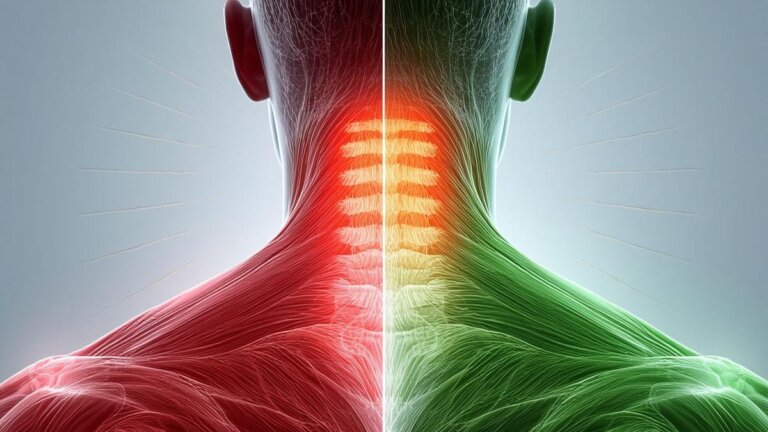
Best 5 TMJ Therapies to Relieve Pain Fast in 2025
Living with temporomandibular joint (TMJ) disorder can transform simple daily activities like eating or speaking into painful challenges. If you’ve experienced that distinctive jaw clicking, facial pain, or difficulty opening your mouth fully, you’re among millions who understand these struggles firsthand.
But here’s the good news: effective TMJ therapies exist, ranging from simple self-care techniques to advanced medical interventions. As someone who works closely with patients seeking TMJ treatment, I’ve witnessed remarkable improvements when the right therapeutic approach is matched to each person’s unique situation.
In this comprehensive guide, we’ll explore evidence-based TMJ therapies that can help you reclaim comfort and function in your daily life.
Table of Contents
Understanding TMJ Disorders: The Foundation for Effective Therapy
Before diving into specific treatments, it’s essential to understand what we’re dealing with. The temporomandibular joints connect your jawbone to your skull on both sides of your face. These sophisticated joints allow for the complex movements needed for talking, chewing, and yawning.
TMJ disorders (sometimes called TMD) occur when something interferes with the healthy function of these joints or the surrounding muscles. This might include:
– Joint inflammation or damage
– Muscle tension or imbalance
– Disc displacement within the joint
– Arthritic changes
– Jaw misalignment
– Trauma or injury
Each person’s TMJ condition is unique, which explains why treatment approaches vary considerably. What works wonderfully for one person might provide minimal relief for another.
Conservative Self-Care TMJ Therapies
Essential TMJ Treatment Options You Can Try at Home
For mild to moderate TMJ disorders, non-invasive self-care approaches often provide significant relief without the need for medical intervention. Consider these evidence-based options:
Rest and Soft Diet
One of the simplest yet most effective TMJ therapies involves giving your jaw a break:
– Temporarily switch to soft foods that require minimal chewing (soups, smoothies, yogurt, etc.)
– Avoid chewy, crunchy, or tough foods
– Cut food into smaller pieces
– Avoid excessive jaw movements, including wide yawning or gum chewing
– Practice keeping your teeth slightly apart when at rest (rather than clenched)
Hot and Cold Therapy
Temperature therapy can provide immediate relief for many TMJ sufferers:
– Cold packs: Apply for 10-15 minutes to reduce inflammation and numb pain, especially during acute flare-ups
– Heat therapy: Use moist heat for 20 minutes to relax muscles and improve blood flow, particularly helpful for chronic tension
Many patients find alternating between heat and cold provides optimal relief.
Stress Management Techniques
Since stress frequently exacerbates TMJ problems through increased muscle tension and teeth clenching, [stress management strategies](https://www.mayoclinic.org/healthy-lifestyle/stress-management/in-depth/stress-management/art-20044151) can be powerful therapeutic tools:
– Mindfulness meditation
– Deep breathing exercises
– Regular physical activity
– Adequate sleep
– Biofeedback training
– Progressive muscle relaxation
Jaw Exercises and Stretches
Specific exercises can strengthen jaw muscles, improve range of motion, and reduce pain. A typical routine might include:
- Gentle jaw opening and closingSide-to-side jaw movementForward jaw movementsResistance exercises
- Tongue-to-roof stretches
For best results, these exercises should be performed under the guidance of a physical therapist or healthcare provider specialized in orofacial pain. Incorrect execution can potentially worsen symptoms.
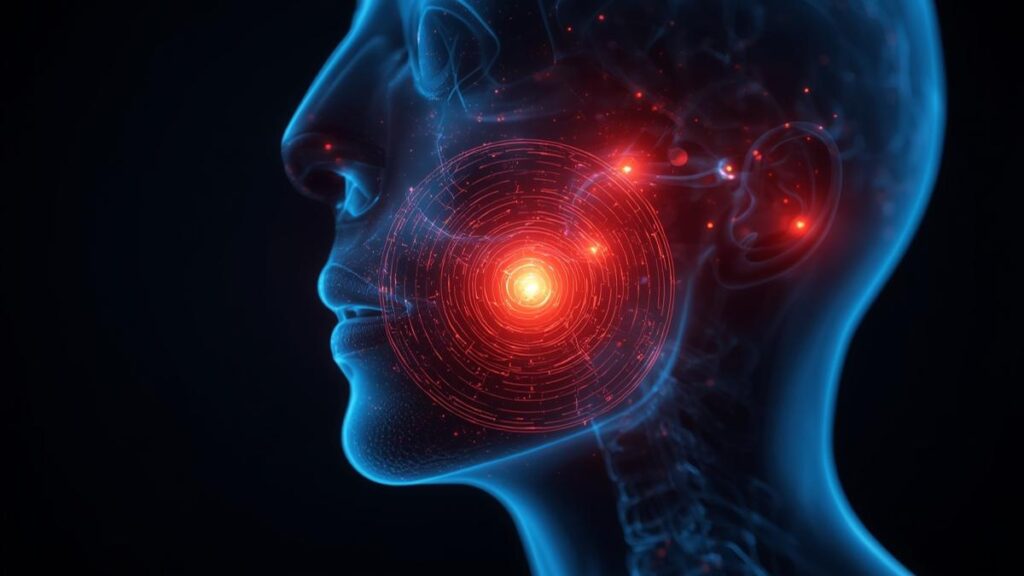
Professional TMJ Therapies
When self-care measures don’t provide adequate relief, professional interventions offer the next level of treatment:
Physical Therapy
Physical therapists with specialized training in TMJ disorders can provide:
– Customized exercise programs
– Manual therapy techniques to mobilize joints
– Posture training (particularly addressing forward head posture)
– Ultrasound and electrical stimulation treatments
– Education on proper jaw mechanics
Many patients report significant improvement after 6-12 sessions of targeted physical therapy. The [American Physical Therapy Association](https://www.apta.org/) offers resources for finding qualified providers.
Occlusal Appliances (Mouth Guards/Splints)
These custom-fitted devices are among the most common professional TMJ therapies:
How Mouth Guards Work for TMJ Treatment
– Reduce teeth grinding and clenching (especially during sleep)
– Stabilize jaw position
– Redistribute forces across the jaw joints
– Protect tooth enamel from wear
– Promote muscle relaxation
Studies show that properly fitted occlusal splints reduce symptoms in approximately 70-90% of TMJ patients. Your dentist will determine which type is most appropriate for your specific condition:
– Stabilization splints (flat plane)
– Repositioning splints
– Anterior bite plates
– NTI-tss devices (nociceptive trigeminal inhibition tension suppression system)
Medications
Several medication classes can help manage TMJ symptoms:
– NSAIDs: Ibuprofen, naproxen, or aspirin reduce inflammation and pain
– Muscle relaxants: Short-term use can alleviate muscle spasms
– Tricyclic antidepressants: Low doses may help with pain and improve sleep
– Corticosteroid injections: Directly into the joint to reduce severe inflammation
– Botulinum toxin (Botox): Injections into jaw muscles can provide relief for tension-related TMJ pain
Dental Interventions
When TMJ disorders stem from bite problems or dental issues, your dentist might recommend:
– Adjustment of uneven teeth surfaces
– Replacement of missing teeth
– Orthodontic treatment to correct malocclusion
– Restorations to improve bite mechanics
It’s worth noting that extensive dental work specifically for TMJ is somewhat controversial, as the relationship between bite alignment and TMJ disorders isn’t straightforward for all patients.
Advanced TMJ Therapies for Severe Cases
When conservative treatments fail to provide adequate relief, more intensive approaches may be considered:
Arthrocentesis and Joint Injections
This minimally invasive procedure involves:
– Insertion of small needles into the joint space
– Irrigation with sterile solution to remove inflammatory byproducts
– Possible injection of corticosteroids or hyaluronic acid for lubrication
– Usually performed under local anesthesia
– Minimal recovery time
Studies suggest arthrocentesis provides significant improvement in approximately 80% of patients with disc displacement.
Arthroscopic Surgery
This outpatient procedure uses a small camera (arthroscope) inserted into the joint to:
– Visualize internal structures
– Remove adhesions
– Reposition the disc
– Flush out inflammatory substances
– Address structural problems
Recovery typically takes several weeks, but patients often experience long-term relief after successful arthroscopy.
Open-Joint Surgery
Reserved for the most severe cases, open-joint surgery might be recommended for:
– Joint reconstruction
– Disc repair or removal
– Removal of bone growths
– Replacement of damaged joints with prosthetics
This approach carries higher risks and longer recovery periods (weeks to months) but may be necessary when other treatments have failed and joint damage is extensive.
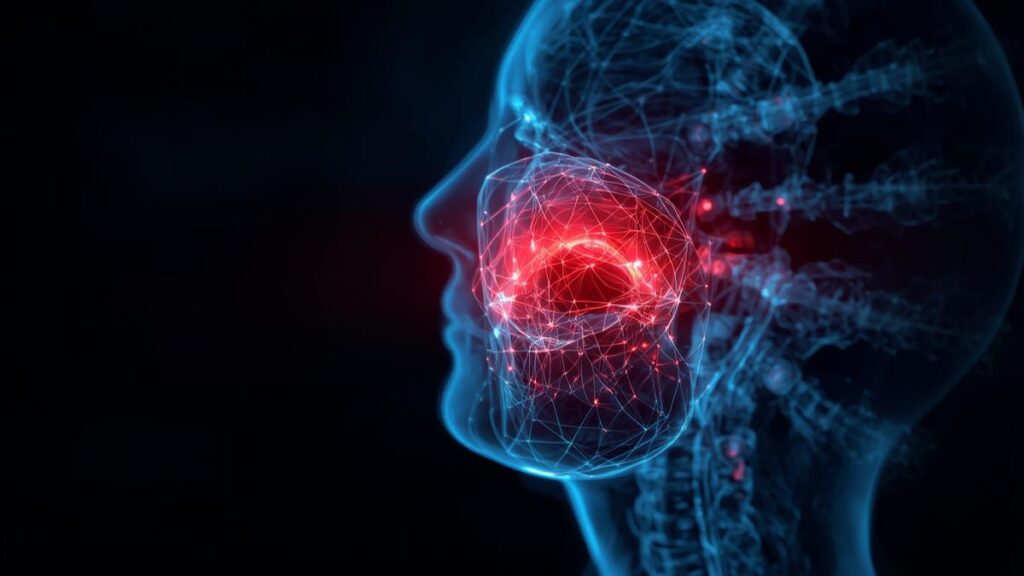
Complementary and Alternative TMJ Therapies
Many patients find relief through complementary approaches, often used alongside conventional treatments:
Acupuncture
This ancient Chinese medicine practice involves inserting thin needles at specific points to:
– Reduce pain
– Relax muscles
– Decrease inflammation
– Stimulate healing
Multiple clinical studies suggest acupuncture can effectively reduce TMJ pain, with minimal side effects. A typical treatment course might include 6-8 sessions.
Massage Therapy
Targeted massage of the jaw, neck, and shoulder muscles can:
– Release trigger points
– Improve circulation
– Reduce muscle tension
– Increase range of motion
Both professional massage and self-massage techniques have shown promising results for many TMJ sufferers.
Cognitive Behavioral Therapy (CBT)
For patients whose TMJ is exacerbated by stress, anxiety, or pain catastrophizing, CBT offers tools to:
– Identify unhelpful thought patterns
– Develop coping strategies
– Change behaviors that contribute to TMJ problems
– Improve pain management skills
Research indicates CBT can be particularly effective for chronic pain conditions, including TMJ disorders that haven’t responded well to physical treatments alone.
Creating Your Personalized TMJ Treatment Plan
The most effective approach to TMJ therapy is typically multimodal, combining several treatment strategies tailored to your specific condition. Consider these steps:
1. Obtain an accurate diagnosis from a qualified healthcare provider, which may include your dentist, an oral surgeon, or a TMJ specialist
2. Start with conservative therapies before progressing to more invasive options
3. Address contributing factors like stress, sleep problems, or posture issues
4. Be patient but persistent – some treatments take weeks or months to show full benefit
5. Track your symptoms to help identify triggers and treatment effectiveness
Remember that TMJ disorders often fluctuate in severity over time. Having a toolbox of different therapeutic approaches allows you to adjust your treatment intensity based on current symptoms.
When to Seek Professional Help
While many mild TMJ symptoms can be managed with self-care, certain signs indicate the need for professional evaluation:
– Persistent pain lasting more than a few weeks
– Inability to open or close your mouth completely
– Jaw locking in an open or closed position
– Significant changes in your bite
– Symptoms that interfere with eating or speaking
– Pain that radiates to your neck or shoulders
– Headaches that don’t respond to standard treatments
Early intervention often leads to better outcomes and may prevent progression to more severe TMJ dysfunction.
The Future of TMJ Therapies
Exciting developments in TMJ treatment include:
– Regenerative medicine approaches using stem cells or platelet-rich plasma
– Advanced imaging techniques for more precise diagnosis
– Custom 3D-printed joint prosthetics
– Targeted gene therapy for chronic inflammation
– New pharmacological agents with fewer side effects
These emerging therapies hold promise for improved outcomes, particularly for patients with complex or treatment-resistant TMJ disorders.
Finding the right combination of TMJ therapies often requires patience and persistence, but relief is possible for most sufferers. By working closely with healthcare providers and remaining open to different therapeutic approaches, you can develop an effective management strategy for your TMJ disorder and reclaim comfort in your daily life.
Many patients also find significant relief by combining traditional TMJ therapies with red light therapy, which reduces inflammation and accelerates healing in the jaw area – learn more about the proven benefits of red light therapy here.