Anti Inflammatory Skin Care: Amazing Secrets for Healthier Skin
Redness, irritation, and inflammation—these common skin concerns affect millions of people, regardless of skin type or age. If you’ve ever looked in the mirror and noticed an angry red patch or felt that uncomfortable burning sensation, you’re not alone. As someone who’s personally struggled with sensitive skin for years, I understand the frustration of trying countless products that promise relief but end up making things worse.
Anti inflammatory skin care is more than just a buzzword—it’s a thoughtful approach to caring for your skin by addressing the root causes of irritation rather than simply masking symptoms. This gentle, soothing strategy can transform reactive, unhappy skin into a calmer, more resilient complexion.
Table of Contents
What Causes Skin Inflammation?
Before diving into solutions, let’s understand what we’re dealing with. Skin inflammation is your body’s natural response to protect itself from harm. When your skin encounters something it perceives as threatening—whether it’s an irritant, allergen, environmental stressor, or internal trigger—it activates an inflammatory response.
Common causes include:
- Environmental factors (pollution, weather extremes, UV exposure)Harsh skincare ingredients (sulfates, artificial fragrances, alcohols)Allergic reactions to products or foodsStress and hormonal fluctuationsSkin conditions like rosacea, eczema, or psoriasis
Disrupted skin barrier function
The visible signs of inflammation typically manifest as redness, swelling, warmth, and discomfort. While short-term inflammation is a helpful protective mechanism, chronic inflammation can damage skin cells, accelerate aging, and perpetuate ongoing skin issues.
The Science Behind Anti-Inflammatory Skincare
Anti inflammatory skin care works by interrupting the inflammatory cascade and supporting your skin’s natural healing processes. The most effective approaches combine:
Barrier repair: Strengthening your skin’s protective barrier prevents irritants from penetrating and causing inflammation in the first place.
Calming ingredients: Certain botanical extracts and compounds can actively reduce inflammatory signaling in the skin.
Antioxidant protection: Free radical damage contributes significantly to inflammation, so neutralizing these molecules helps maintain skin health.
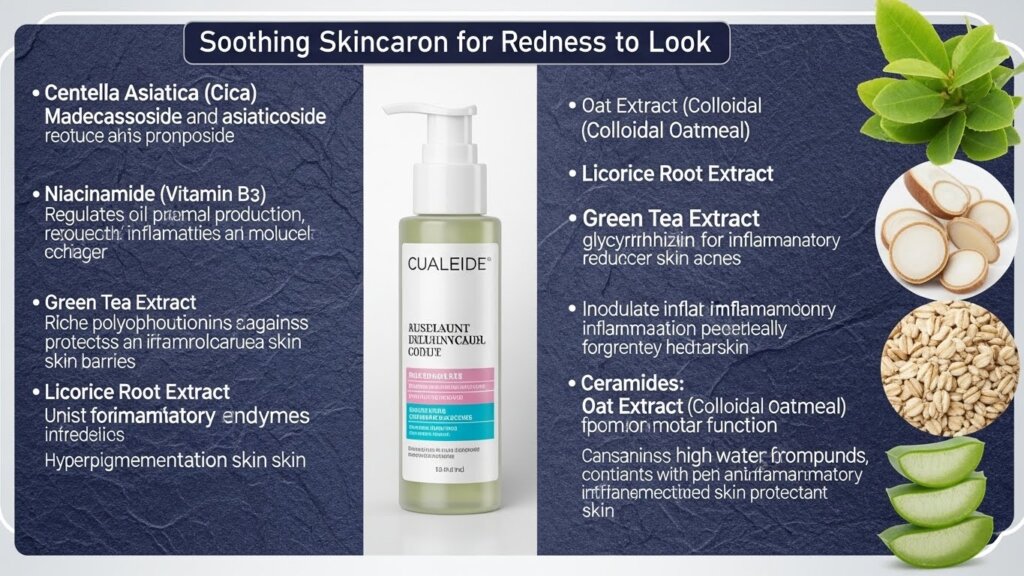
Soothing Skincare for Redness: Key Ingredients to Look For
When shopping for anti-inflammatory skincare products, certain ingredients stand out for their scientifically-backed calming properties:
Centella Asiatica (Cica): This ancient medicinal herb contains madecassoside and asiaticoside, compounds proven to reduce inflammation and promote healing. Research published in the International Journal of Molecular Sciences confirms its ability to soothe irritated skin and strengthen the skin barrier.
Niacinamide (Vitamin B3): A true multitasker, niacinamide regulates oil production, strengthens the skin barrier, and reduces inflammation. Studies show it’s particularly effective for conditions like rosacea and acne.
Green Tea Extract: Rich in polyphenols called catechins, green tea extract is a powerful antioxidant that calms inflammation and protects against environmental damage. A 2017 review highlighted its benefits for multiple inflammatory skin conditions.
Licorice Root Extract: Contains glycyrrhizin, which inhibits inflammatory enzymes and reduces redness. It’s particularly beneficial for hyperpigmentation associated with inflammation.
Aloe Vera: More than just a sunburn remedy, aloe contains compounds that modulate inflammatory pathways and support healing. Its high water content also provides immediate hydration to irritated skin.
Ceramides: These lipid molecules are essential for healthy barrier function, preventing irritants from entering and causing inflammation. They’re especially important if your skin barrier is compromised.
Oat Extract (Colloidal Oatmeal): Contains avenanthramides, unique compounds with potent anti-inflammatory and anti-itch properties. The FDA has officially recognized colloidal oatmeal as an effective skin protectant.
Building Your Anti Inflammatory Skin care Routine
Creating an effective routine for sensitive, inflamed skin requires mindfulness about both what you include and what you avoid. Here’s a framework to get you started:
1. Gentle Cleansing
The foundation of any anti inflammatory skin care routine is a non-stripping cleanser. Look for:
- pH-balanced formulas (around 5.5, matching your skin’s natural pH)
- Fragrance-free options
- Cream, milk, or gel textures without sulfates
Cleanse once or twice daily, using lukewarm (never hot) water, and pat—don’t rub—your face dry with a clean towel.
2. Calming, Hydrating Toners
Skip astringent, alcohol-based toners and opt instead for hydrating formulas with ingredients like:
- Chamomile water
- Rose water
- Centella asiatica extract
- Panthenol (Vitamin B5)
These help restore pH balance after cleansing while delivering the first layer of soothing hydration.
3. Targeted Serums
Serums deliver concentrated actives directly to the skin. For inflammation, consider:
- Niacinamide serums (5-10%)Centella-based products
- Peptide formulations that support barrier repair
Apply to damp skin for better absorption, and limit active ingredients when your skin is particularly reactive.
4. Moisture and Barrier Support
Moisturizers for inflamed skin should focus on barrier repair with ingredients like:
- Ceramides
- Fatty acids
- Squalane
- Shea butter (for drier skin types)
Even oily skin needs proper hydration—look for lightweight, non-comedogenic gel creams that won’t clog pores.
5. Sun Protection
UV exposure triggers inflammation and worsens existing conditions like rosacea and post-inflammatory hyperpigmentation. Choose mineral sunscreens with zinc oxide or titanium dioxide, which are less likely to irritate sensitive skin than chemical filters.
Several excellent options are available specifically formulated for reactive skin, offering SPF 30-50 without the white cast that once plagued mineral formulations.
Gentle Skincare for Sensitive Skin: Lifestyle Factors That Matter
Topical products are just one piece of the puzzle. To truly address inflammation, consider these complementary approaches:
Diet and inflammation: Emerging research suggests that what we eat affects our skin. Foods rich in omega-3 fatty acids (like fatty fish, walnuts, and flaxseeds) have natural anti-inflammatory properties. Colorful fruits and vegetables provide antioxidants that fight oxidative stress, while processed foods and excess sugar may exacerbate inflammation.
Stress management: Chronic stress triggers the release of cortisol and other hormones that promote inflammation. Mind-body practices like meditation, yoga, or even simple deep breathing exercises can help reduce stress-induced skin flares.
Sleep quality: Your skin repairs itself during sleep. Poor sleep quality or insufficient sleep (less than 7-8 hours) can increase inflammatory markers and compromise barrier function. Creating a consistent sleep routine supports healthier skin.
Environmental protection: Beyond sunscreen, consider how pollution and extreme temperatures affect your skin. In urban environments or during weather changes, additional barrier protection may be necessary.
Common Mistakes to Avoid
Even with the best intentions, many people sabotage their anti-inflammatory skincare efforts by:
Over-exfoliating: Aggressive physical scrubs and high-concentration chemical exfoliants can damage your skin barrier. If exfoliation is needed, opt for gentle options like PHAs (polyhydroxy acids) or low percentages of mandelic acid, which are less irritating than glycolic acid.
Using too many active ingredients: “Skincare maximalism” can overwhelm sensitive skin. Simplify your routine and introduce new products gradually.
Ignoring patch testing: Always test new products on a small area before applying them to your entire face, especially if you have reactive skin.
Misdiagnosing your skin concerns: What looks like sensitivity might actually be rosacea, perioral dermatitis, or contact dermatitis, each requiring specific approaches. If inflammation persists despite good skincare practices, consult a dermatologist.
When to See a Professional
While many mild inflammatory skin concerns respond well to thoughtful at-home care, certain situations warrant professional attention:
- Persistent redness or inflammation that doesn’t improve with gentle skincarePainful or rapidly spreading rashesInflammation accompanied by other symptoms like fever or severe itching
- Sudden onset of unusual skin reactions
Dermatologists can provide prescription anti-inflammatory treatments when necessary and help identify underlying conditions that might be triggering your skin’s inflammatory response.
The Future of Anti-Inflammatory Skincare
The field continues to evolve with exciting developments on the horizon:
Microbiome-focused formulations: Scientists are increasingly understanding how our skin’s microbial ecosystem influences inflammation. Products that support beneficial bacteria while discouraging problematic strains may offer new solutions for inflammatory skin conditions. According to research in Scientific Reports, certain probiotic strains can significantly reduce markers of skin inflammation.
Personalized approaches: Genetic testing and advanced diagnostics may soon allow for truly customized anti-inflammatory regimens tailored to your unique skin biology.
Plant-based innovation: As research into traditional botanicals continues, we’re discovering new plant compounds with remarkable anti-inflammatory properties, often combined with sustainable harvesting practices.
Embracing a gentle, inflammation-aware approach to skincare isn’t just about addressing current concerns—it’s preventative care that helps maintain skin health for years to come. By understanding your skin’s needs and respecting its natural processes, you can build a routine that promotes resilience and calm rather than reactivity and irritation.
Remember that consistency matters more than complexity, and sometimes the most effective anti-inflammatory strategy is simply removing what’s causing harm rather than adding more products to counteract it. With patience and attention to how your skin responds, you can find your path to a calmer, healthier complexion.