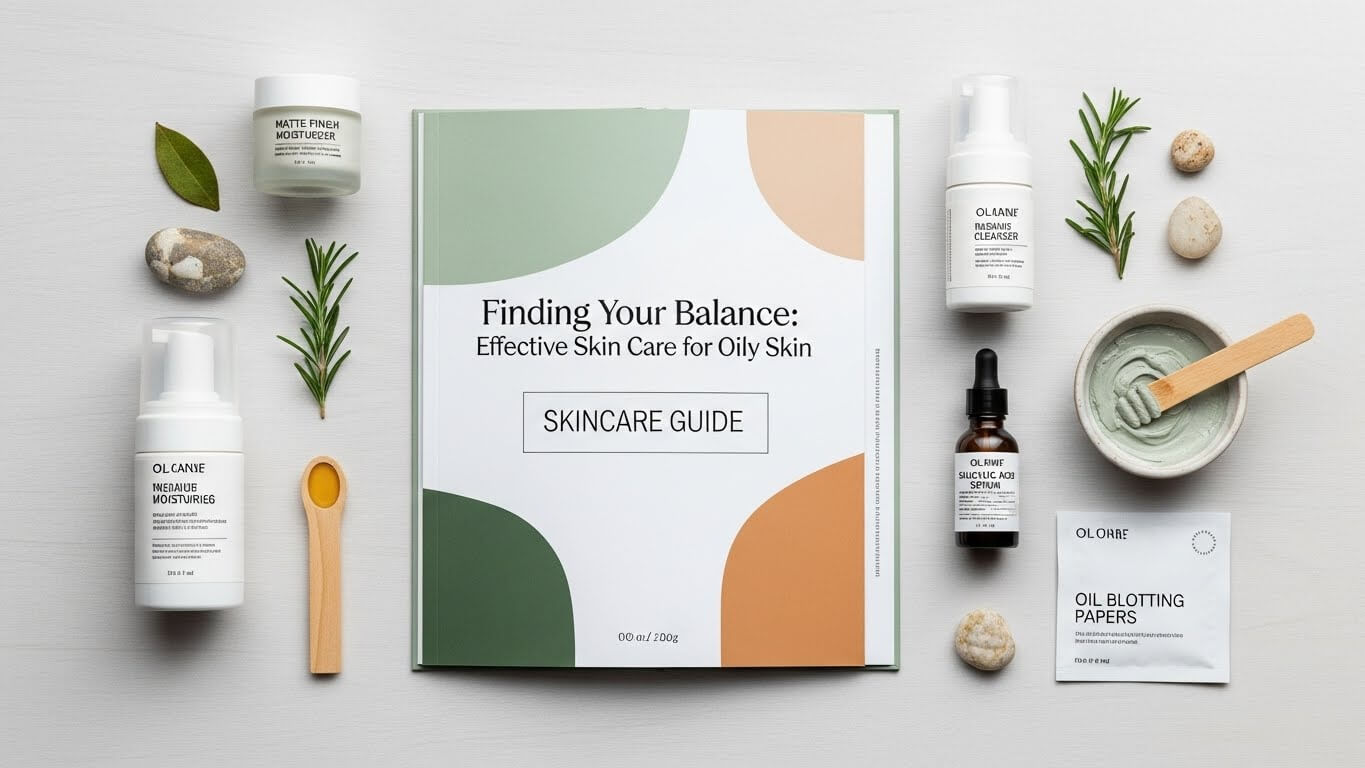
Skin Care for Oily Skin: 7 Top Secrets for Matte Skin
Waking up to a shiny t-zone again? You’re not alone. Millions battle excess oil daily, trying products for that perfect matte finish. Good news: With the right Skin Care for Oily Skin approach and targeted products, achieve balanced, healthy skin without midday shine.
Let’s dive into what causes oily skin, the best products to manage it, and how to build an effective routine that works with your skin type rather than against it.
Table of Contents
Understanding Oily Skin: What’s Really Happening?
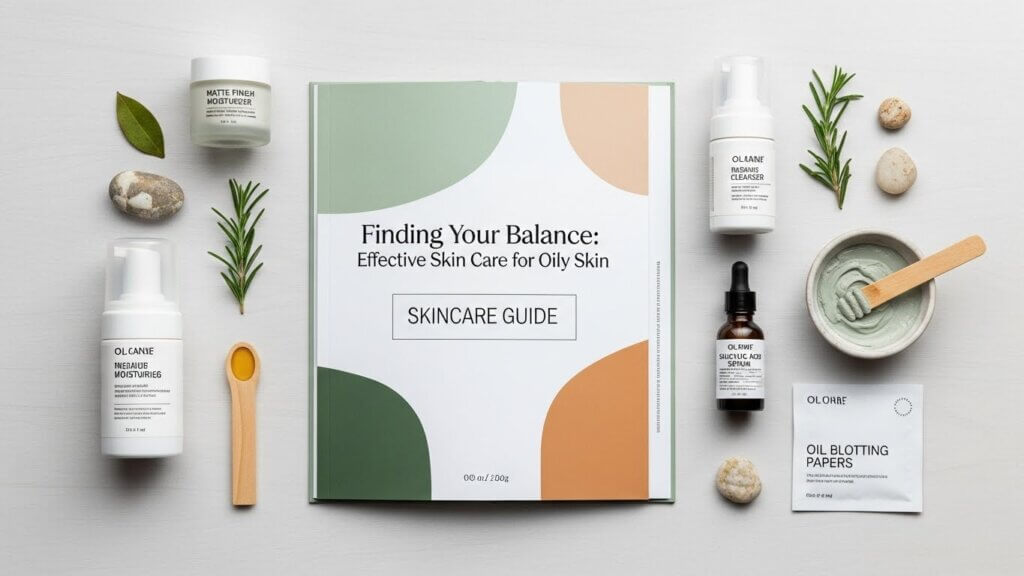
Before products, understand excess shine causes. Skin Care for Oily Skin: Sebaceous glands overproduce sebum – natural oil. Essential in moderation for health, excess sebum causes shiny appearance, enlarged pores, and acne breakouts.
Several factors influence sebum production:
- Genetics: If your parents have oily skin, you may have inherited this trait
- Hormonal fluctuations: Particularly during puberty, menstruation, or pregnancy
- Climate and season: Humidity and heat typically increase oil production
- Incorrect products: Harsh products that strip your skin can paradoxically trigger more oil production
- Diet and stress: Both can influence hormonal balance and sebum production
The myth that oily skin doesn’t need moisturizer has led many down a path of over-drying their skin, which actually makes oiliness worse. Your skin compensates for dehydration by producing even more oil – creating a frustrating cycle.
Best Cleansers for Oily Skin: The Foundation of Your Routine
A good cleanser forms the cornerstone of any effective skincare regimen for oily skin. The ideal cleanser removes excess oil, dirt, and impurities without stripping your skin’s natural moisture barrier.
What to Look for in Cleansers for Oily Skin
- Gel or foam formulations: These typically work better than creamy cleansers for oily complexions
- Salicylic acid: This beta-hydroxy acid (BHA) is oil-soluble, meaning it can penetrate pores to dissolve excess sebum and remove dead skin cells
- Niacinamide: Helps regulate oil production while strengthening the skin barrier
- Gentle surfactants: Look for cleansers with milder cleansing agents that won’t strip your skin
- Oil-free and non-comedogenic: These won’t clog pores or add unnecessary oils
Cleansing properly means washing your face twice daily – morning and night. However, over-washing (more than twice daily) can trigger increased oil production as your skin tries to compensate for the dryness.
Top-Performing Cleansers Worth Trying
Discover top cleansers for effective Skin Care for Oily Skin. CeraVe Foaming Facial Cleanser features ceramides to strengthen the skin barrier while gently removing excess oil through its foaming action. Its non-irritating, fragrance-free formula is ideal even for sensitive oily skin types.
La Roche-Posay Effaclar Purifying Foaming Gel Cleanser is specially formulated with zinc pidolate to control and target excess oil production. It has been clinically tested and proven effective for oily and acne-prone skin.
For a more affordable yet reliable option in Skin Care for Oily Skin, try The Ordinary Squalane Cleanser. It provides thorough cleansing without stripping moisture, helping maintain essential hydration that’s crucial even for oily skin types.
Beyond Cleansing: Building Your Complete Oily Skin Routine
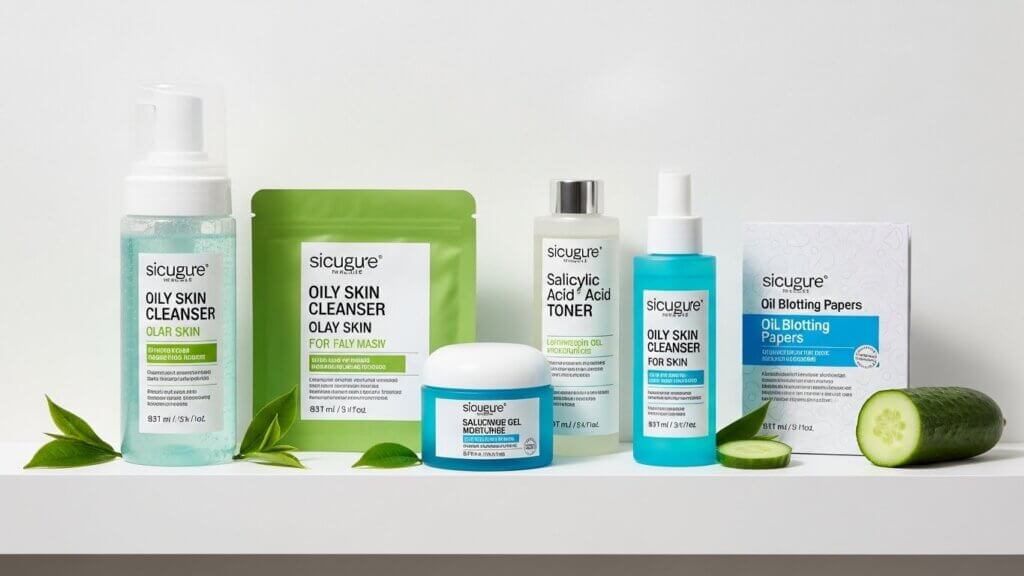
While finding the right cleanser is crucial, managing oily skin requires a comprehensive approach:
Toners That Balance Rather Than Strip
Forget the alcohol-heavy astringents of the past. Modern toners for oily skin focus on balance:
- Witch hazel: Provides natural astringent properties without excessive drying
- Glycolic acid: This AHA helps with mild exfoliation and oil control
- Green tea extract: Offers antioxidant protection while helping to regulate sebum
Paula’s Choice Pore-Reducing Toner contains niacinamide and hydrating ingredients alongside its pore-minimizing properties – a balanced approach for oily skin.
Lightweight Moisturizers: Yes, You Still Need Them
One of the biggest skincare mistakes for oily skin is skipping moisturizer. Instead, choose one with these characteristics:
- Gel or water-based formulations: These provide hydration without heaviness
- Hyaluronic acid: Attracts water to the skin without adding oil
- Mattifying ingredients: Look for products containing silica or clay to absorb excess oil throughout the day
Neutrogena Hydro Boost Water Gel is a lightweight, oil-free formula that delivers hydration without clogging pores, making it ideal for oily skin types.
Targeted Treatments for Oil Control
Adding targeted treatments can address specific concerns while managing overall oiliness:
- Niacinamide serums: Help regulate sebum production and improve pore appearance
- Retinoids: Control oil production while addressing acne and texture issues
- Clay masks (1-2 times weekly): Draw out impurities and absorb excess oil
The Ordinary Niacinamide 10% + Zinc 1% is a budget-friendly serum specifically formulated to regulate sebum and minimize pore appearance – two major concerns for oily skin types.
How to Reduce Shine on Face Naturally
While the right products make a significant difference, you can also elevate your Skin Care for Oily Skin with several natural approaches that complement your daily routine:
Dietary Considerations
Research suggests certain dietary factors may influence sebum production:
- Reduce high-glycemic foods: Some studies show a connection between high-glycemic diets and increased sebum production
- Incorporate omega-3 fatty acids: Found in fatty fish, walnuts, and flaxseeds, these may help regulate oil production
- Stay hydrated: Proper hydration helps maintain skin balance
According to a study published in the Journal of Clinical and Aesthetic Dermatology, dietary interventions may play a supportive role in managing skin conditions related to oily skin.
Natural Oil-Control Methods
Several natural ingredients have demonstrated oil-controlling properties:
- Green tea: Both drinking it and applying it topically may help reduce sebum production due to its catechin content
- Aloe vera: Provides lightweight hydration while soothing skin
- Honey: Natural antibacterial properties make it useful for oily skin prone to breakouts
Lifestyle Adjustments
Simple daily habits can make a significant difference:
- Use oil-absorbing sheets: Keep these handy for midday touch-ups without adding product
- Choose powder-based makeup: These typically work better for oily skin than liquid formulations
- Manage stress: Hormonal fluctuations from chronic stress can increase sebum production
- Change pillowcases frequently: Prevents oil and bacteria buildup that can transfer back to your skin
Common Mistakes in Managing Oily Skin
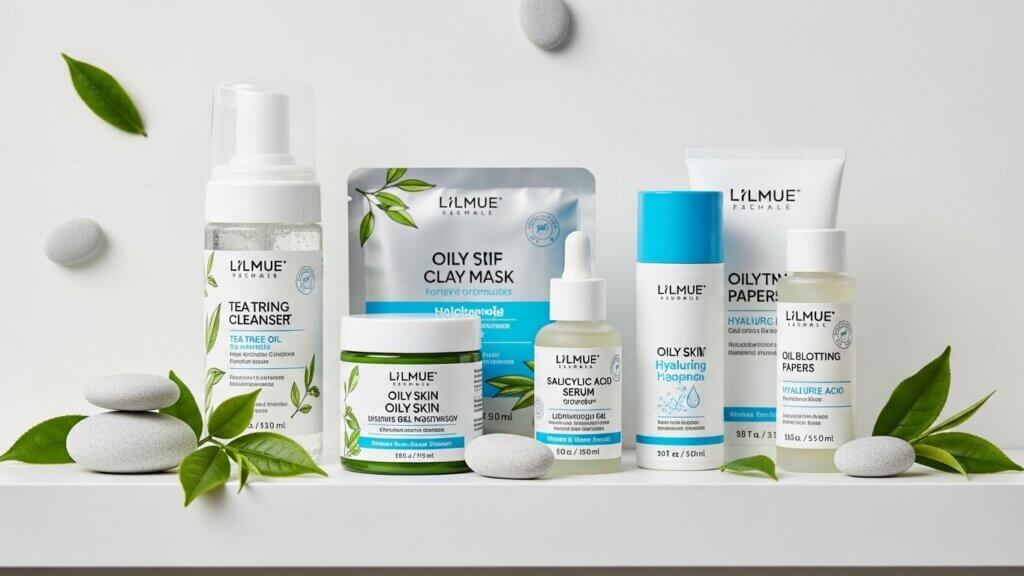
Even with the best intentions, many people make counterproductive choices when dealing with oily skin:
Overwashing and Harsh Products
Stripping your skin with harsh cleansers or washing too frequently signals your skin to produce more oil in response. A gentle approach actually yields better results.
Avoiding Sunscreen
Many people with oily skin skip sunscreen, fearing it will make their skin more greasy. However, sun protection is a non-negotiable part of proper Skin Care for Oily Skin. Instead, look for oil-free, mattifying formulations like La Roche-Posay Anthelios Clear Skin Oil Free Sunscreen SPF 60, which provides protection without the shine.
Using the Wrong Moisturizer
Heavy creams can indeed exacerbate oiliness, but skipping moisturizer altogether disrupts your skin barrier. Choose lightweight, non-comedogenic options specifically formulated for oily skin.
When to Seek Professional Help
If you’ve tried various products and approaches without success, it may be time to consult a dermatologist. They can recommend:
- Prescription-strength treatments like tretinoin
- Hormonal interventions if your oily skin is related to hormonal imbalances
- Professional treatments like chemical peels or laser therapy
- Evaluation for underlying conditions that might be contributing to your skin concerns
According to the American Academy of Dermatology, persistent oily skin with severe acne may require professional evaluation to determine the most effective treatment approach.
Building Your Personalized Oily Skin Routine
The most effective approach to achieving a balanced complexion is a consistent routine. By following this simplified framework for Skin Care for Oily Skin, you can use products specifically formulated for your skin type to manage excess shine:
Morning Routine:
1. Cleanse with a gentle foaming cleanser
2. Apply alcohol-free toner
3. Use lightweight serum (niacinamide works well)
4. Apply oil-free, mattifying moisturizer
5. Finish with oil-free sunscreen
Evening Routine:
1. Double cleanse (oil cleanser followed by water-based cleanser)
2. Apply treatment products (BHA, retinol, etc.)
3. Use lightweight gel moisturizer
Weekly:
1. Clay mask (1-2 times per week)
2. Chemical exfoliant (1-2 times per week)
Remember that consistency is key – give products 4-6 weeks to show results before deciding whether they’re effective for your skin.
Managing oily skin is about balance, not elimination. Your skin’s natural oils serve an important protective function—the goal is to maintain healthy levels rather than strip them entirely. By implementing the right Skin Care for Oily Skin, along with a consistent routine and lifestyle adjustments, you can achieve that coveted balanced complexion—neither too oily nor too dry, but just right.
By focusing on gentle, effective products designed specifically for oily skin types and incorporating some natural approaches to reduce facial shine, you can transform your relationship with your skin from daily battle to harmonious partnership.
Have you found success with particular products for your oily skin? What has worked best in your personal Skin Care for Oily Skin journey? Remember that skin is highly individual, and finding your perfect routine often requires some experimentation and patience.